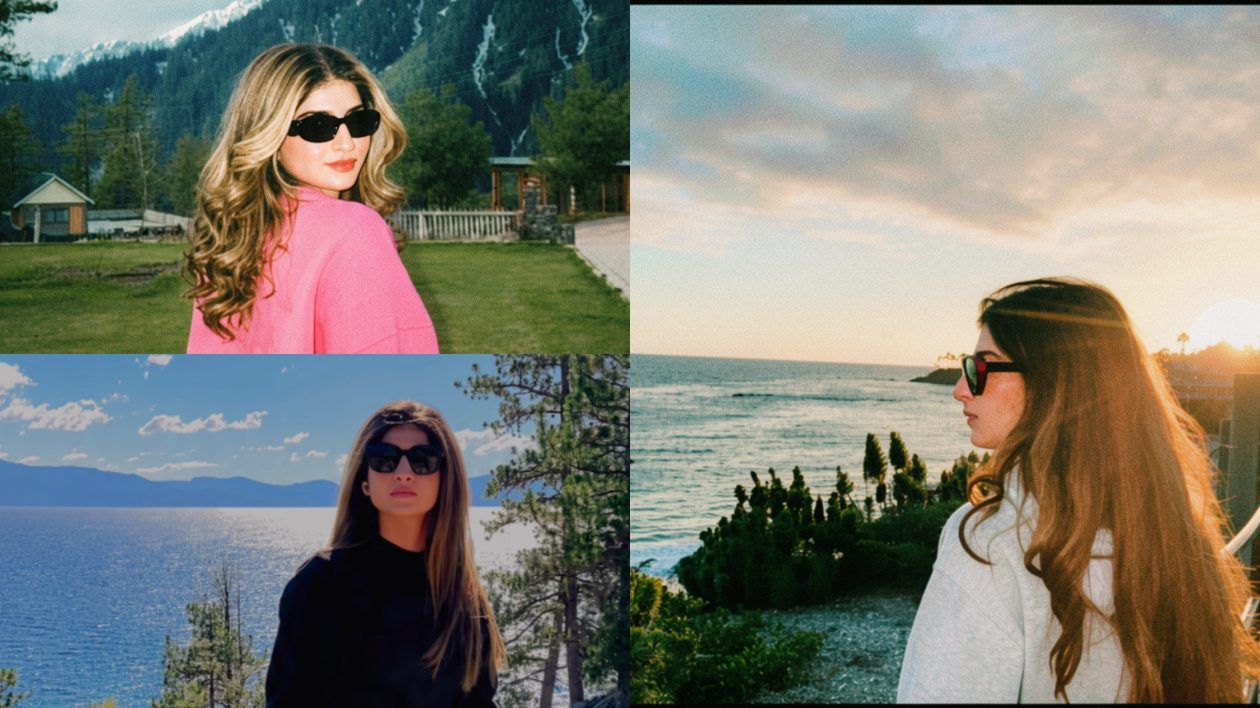
Welcome to my cozy corner of the internet—where shopping is both a passion and a form of therapy, and where dressing well feels like a daily dose of joy. Every year I tell myself I don’t need much for winter, especially since last season’s outfits are still practically new (yes, tags and all!). But then autumn rolls in, the first cool breeze hits, and suddenly boxy fit tees, wide-leg thick pants, flowy karandi sets, and crisp kurtas start calling my name. And just like that… 15–20 new pieces somehow end up in my wardrobe before winter even begins.
If you’re a girl or woman who loves beautiful cuts, comfy silhouettes, and the effortless charm of Pakistani winter fashion, this space is for you. From cozy everyday fits to chic eastern classics, consider this your warm invitation into everything stylish, soft, and feel-good this season.
Zaib

Zaib’s stitched karandi pieces are all about soft winter comfort with a clean, elegant look. The fabric is warm, slightly textured, and flows nicely without feeling heavy. Their designs are minimal yet refined—think subtle thread embroidery on the neckline or sleeves, soft winter prints, and muted seasonal colors. The cuts are relaxed and flattering, usually straight long kurtas paired with wide-leg or straight trousers that create an effortless, put-together silhouette. Necklines are simple and feminine, like V-necks, round-with-slit, or band collars. This season, Zaib truly stole the spotlight for me; their stitched and unstitched karandi sets won my heart instantly, and I ended up bagging all four outfits. They won’t be restocking these designs, so keep an eye out if something catches your attention. These are the kind of outfits you can style effortlessly and carry with complete ease—cozy, classy, and perfect for winter.
Jugnu by Hussain Rehar

Hussain Rehar’s Jugnu Khaddar collection has launched, and it truly lives up to the hype. The released colors—red, blue, and green—set a stunning tone for the entire drop. The red is a rich, festive winter shade with bold yet elegant print detailing, perfect for evening wear. The blue is cool and sophisticated, giving a modern, clean look ideal for daytime winter outfits or polished casual styling. The green leans earthy and warm, with prints that highlight its depth without overwhelming it—beautiful for everyday winter wear. These three shades alone reflect Rehar’s signature blend of strong palettes and refined design, making Jugnu an instant winter favourite.
Zara Shahjahan

Zara Shahjahan’s previous karandi launches included elegant two-piece and three-piece sets. The two-pieces paired textured shirts with straight trousers in subtle prints and warm winter tones, perfect for everyday wear. The three-pieces added matching shawls with delicate embroidery or florals, creating a complete, graceful winter look. Both offered relaxed, flattering cuts and timeless Zara Shahjahan charm.
Sapphire

Sapphire’s Winter Unstitched Volume 1 is a treat for all ages, with color combinations that are rich yet versatile—think deep maroons, muted blues, earthy neutrals, and soft pastels. The collection features abstract prints that are modern and artistic, making them perfect for both young and mature women. The designs are timeless and wearable, allowing you to style them in multiple ways while keeping the look elegant and effortless for everyday winter wear.
I choose Sapphire unstitched winter pieces for my everyday comfort, especially when I’m in my village and my usual pajamas are back in Lahore. I always get my outfits stitched in a loose fit because tight or fitted clothes just feel weird to me. My go-to is wide-leg pants with a boxy tee—effortless, cozy, and exactly how I like to move and live at home. And since most of Sapphire’s pieces are printed and don’t need dry cleaning, they’re perfect for my village trips and daily wear without extra hassle.
Also, one thing I’ve learned is that not everything in our cupboards is actually needed. We should donate our clothes to places where we know people will truly use them. It’s time to stop hoarding and start making space—for ourselves and for someone else who might need those pieces more than we do.
Peace 🫶🏻